
Healthy recipes for a diabetic patient

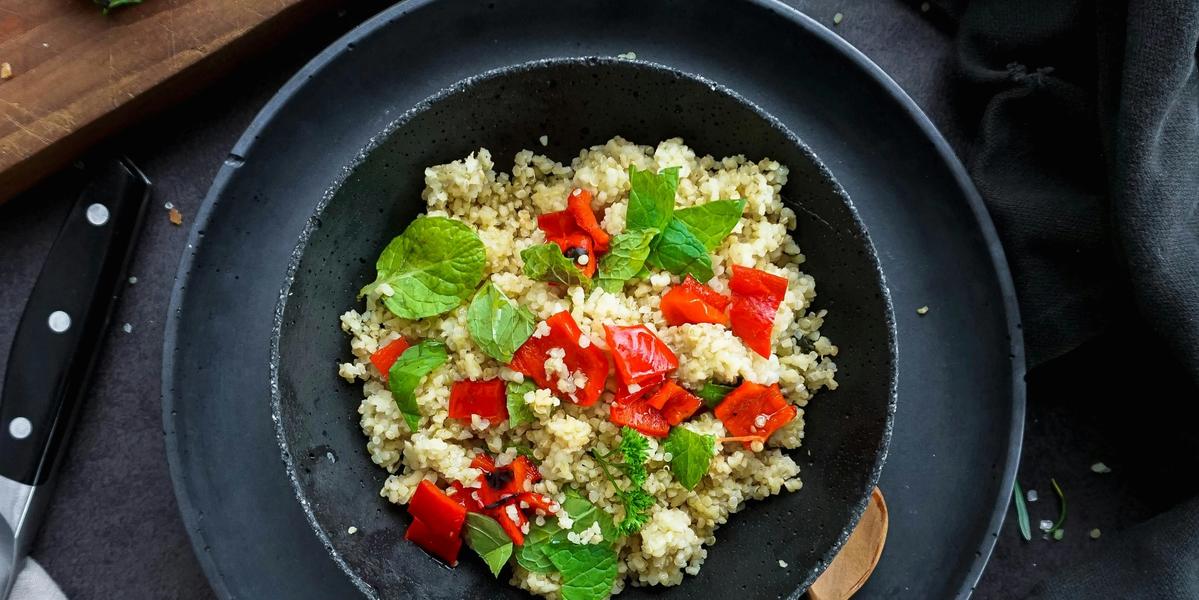
Receiving a diabetes diagnosis in India can feel particularly challenging. Our culture revolves around food—hot buttered rotis, aromatic mounds of white rice, sweet chai, and festive mithai are woven into the fabric of our daily lives.
The immediate fear is often: "Does this mean I have to eat boiled, bland food for the rest of my life?"
The absolute answer is NO.
Managing diabetes isn't about deprivation; it’s about balance, smarter choices, and portion control. Indian cuisine, at its heart, is actually incredibly supportive of diabetic health—if we tweak the ratios. We have an abundance of lentils (dals), high-fiber vegetables, and potent spices like turmeric and fenugreek (methi) that are natural warriors against high blood sugar.
This blog post is designed to bring the flavor back to your plate while keeping your glucose meter happy. Let’s explore practical, delicious, Indian diabetes-friendly recipes.
The Golden Rules of the Indian Diabetic Kitchen
Before we get to the recipes, let's establish the ground rules. The goal is to avoid sharp spikes in insulin.
Swap the "Whites": Minimize white rice, maida (refined flour), and white sugar. These digest too quickly, spiking blood sugar.
Fiber is Your Best Friend: Fiber slows down sugar absorption. Think whole grains, vegetables with skin, and legumes.
Protein at Every Meal: Protein keeps you full and stabilizes blood sugar. (Dals, paneer, eggs, chicken, fish, soy).
The Plate Method: Visually divide your plate. Half should be non-starchy vegetables (saag, bhindi, louki). One quarter is lean protein (dal/chicken/fish). Only the remaining quarter is complex carbohydrates (multigrain roti/brown rice).
Start Your Day Right: Breakfast Options
Traditional Indian breakfasts like white rava upma or idlis can be surprisingly high-carb. Let's switch them up for higher protein and fiber alternatives.
1. Protein-Packed Moong Dal Cheela (Savory Lentil Crepes)
This is a North Indian favorite that is naturally gluten-free, high in protein, and very low on the glycemic index.
- Why it works: Yellow moong dal digests slowly and keeps you full until lunch.
- The Twist: Don't just use batter. Stuff the cheela with grated paneer and finely chopped spinach to boost the nutritional value even further.
- Method Highlight: Soak moong dal overnight. Grind into a batter with ginger, green chilli, and a pinch of hing (asafoetida). Spread like a dosa on a tawa and cook with minimal oil/ghee.
2. Vegetable Oats Upma
Suji (semolina) is refined wheat and can spike blood sugar. Rolled oats are a fantastic, high-fiber substitute that mimics the texture perfectly.
- Why it works: Soluble fiber in oats helps regulate blood glucose.
- The Twist: The ratio should be 50% oats and 50% chopped vegetables (carrots, peas, beans, capsicum). Don't skimp on the curry leaves and mustard seeds for flavor.
The Main Event: Lunch & Dinner Solutions
The biggest challenge here is usually reducing the staple grains (rice and wheat).
3. The "Smart" Roti: Multigrain Methi Roti
Standard wheat roti can be heavy on carbs. By mixing flours and adding greens, you lower the glycemic load.
- The Mix: Instead of 100% wheat flour (atta), use a mix: 50% whole wheat, and make up the rest with besan (chickpea flour), ragi (finger millet), or jowar (sorghum).
- The Superfood Addition: Knead a large cup of fresh, finely chopped Methi (fenugreek leaves) into the dough. Methi is famous in Ayurveda for helping lower blood sugar levels. These rotis are flavorful enough that you won't miss the plain ones.
4. The "Fake-Out" Rice: Cauliflower "Rice" Pulao
If you absolutely crave rice, brown rice or quinoa are better options in small portions. But if you want a large bowl of something comforting, try cauliflower rice.
- The Concept: Grate fresh cauliflower so it resembles rice grains.
- Method Highlight: Sauté cumin, onions, ginger, and garlic in a little ghee. Add your favorite pulao vegetables (peas, beans). Add the grated cauliflower and stir-fry for 5-7 minutes. Season with turmeric and garam masala. It looks like rice, absorbs flavor like rice, but has a fraction of the carbs.
5. Methi Chicken or Paneer Saagwala (The Protein Mains)
When your main dish is rich in protein and fiber, you need less roti or rice to feel satisfied.
- The Dish: A rich gravy based on spinach (palak) and fenugreek (methi), rather than a heavy cream or cashew-based gravy.
- Why it works: Leafy greens have almost zero impact on blood sugar. Pair this heavy vegetable gravy with cubes of grilled chicken breast or lightly sautéed paneer.
The Danger Zone: Teatime Snacks
In India, 5 PM is when willpower breaks and the biscuits or samosas appear. You need crunch without the carb-load.
6. Roasted Masala Makhana (Fox Nuts)
Makhana is a superfood gaining immense popularity. It’s light, crunchy, and low-GI.
- Method: Dry roast makhana in a karahi until crisp. In a separate small pan, heat a teaspoon of ghee, add turmeric, red chili powder, chaat masala, and black salt. Toss the roasted makhana in this spice mix instantly. It beats popcorn any day.
7. Tangy Sprouts Chaat
This is a nutritional powerhouse that hits the savory/tangy cravings.
- The Base: Steamed moong sprouts or kala chana sprouts.
- The Flavor: Mix with finely chopped onion, tomato, cucumber, and green chili. Squeeze half a lemon over it and sprinkle with chaat masala. Avoid adding sweet chutneys (imvli/sonth) that are loaded with sugar; stick to the green coriander chutney.
A Note on Hydration
Sugary drinks are the enemy. Avoid packaged fruit juices, regular sodas, and sweet lassis.
- Stick to: Water, unsweetened herbal teas, black coffee/tea (without sugar), or thin, salted buttermilk (chaas) with roasted cumin.
Final Thoughts & Disclaimer
Living with diabetes in India doesn't mean giving up the foods you love. It means reimagining them. By embracing traditional ingredients like dals, millets, and vibrant spices, you can create a diet that is both culturally satisfying and medically sound.
If you want, you can quickly check your BMI here. Find out other smart health apps, that'll help you find interesting facts and recommendations.